
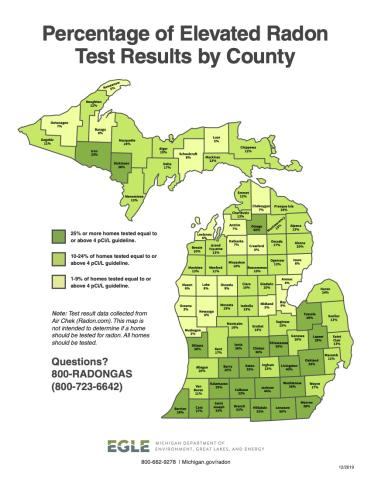
 Approximately one in every four Michigan residences is estimated to exceed the US EPA action level for radon. According to the Michigan Department of Environment, Great Lakes, and Energy, Branch County has the highest percentage of elevated radon readings statewide. This matters because radon is the second leading cause of lung cancer deaths in the United States, following smoking.
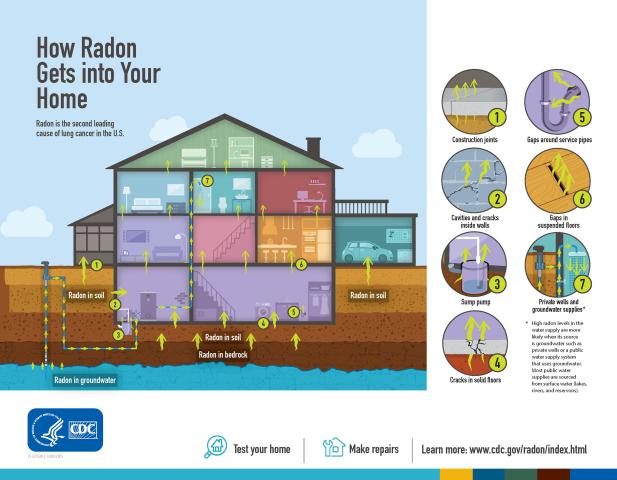
Radon is a naturally occurring radioactive gas that is odorless and invisible. It may enter your home through construction joints, cracks in walls and floors, sump pumps, and well water. Testing is the only reliable method for detecting elevated concentrations.
Test kits are available through the Branch, Hillsdale, and St. Joseph Community Health Agency and Michigan State University Extension offices serving Hillsdale and St. Joseph counties. They are also available commercially from hardware stores, home improvement centers, and directly online from the manufacturer.
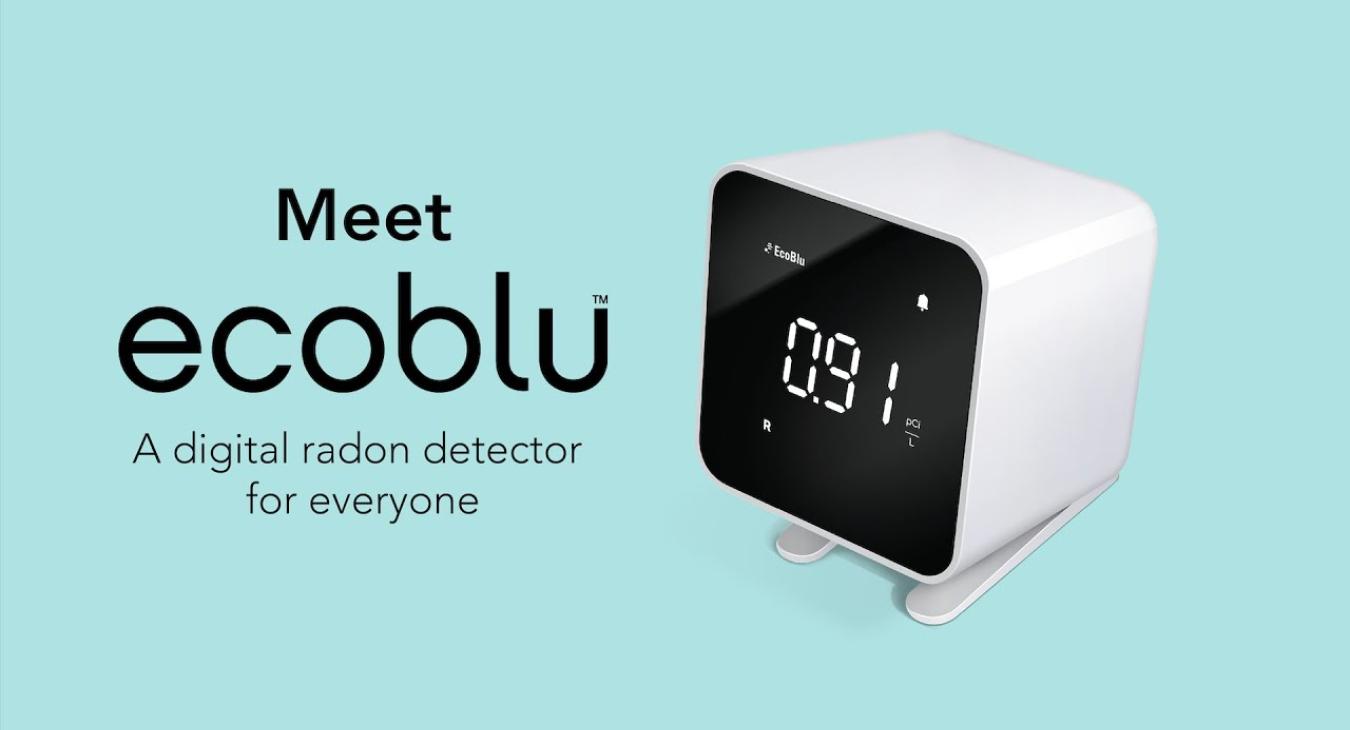
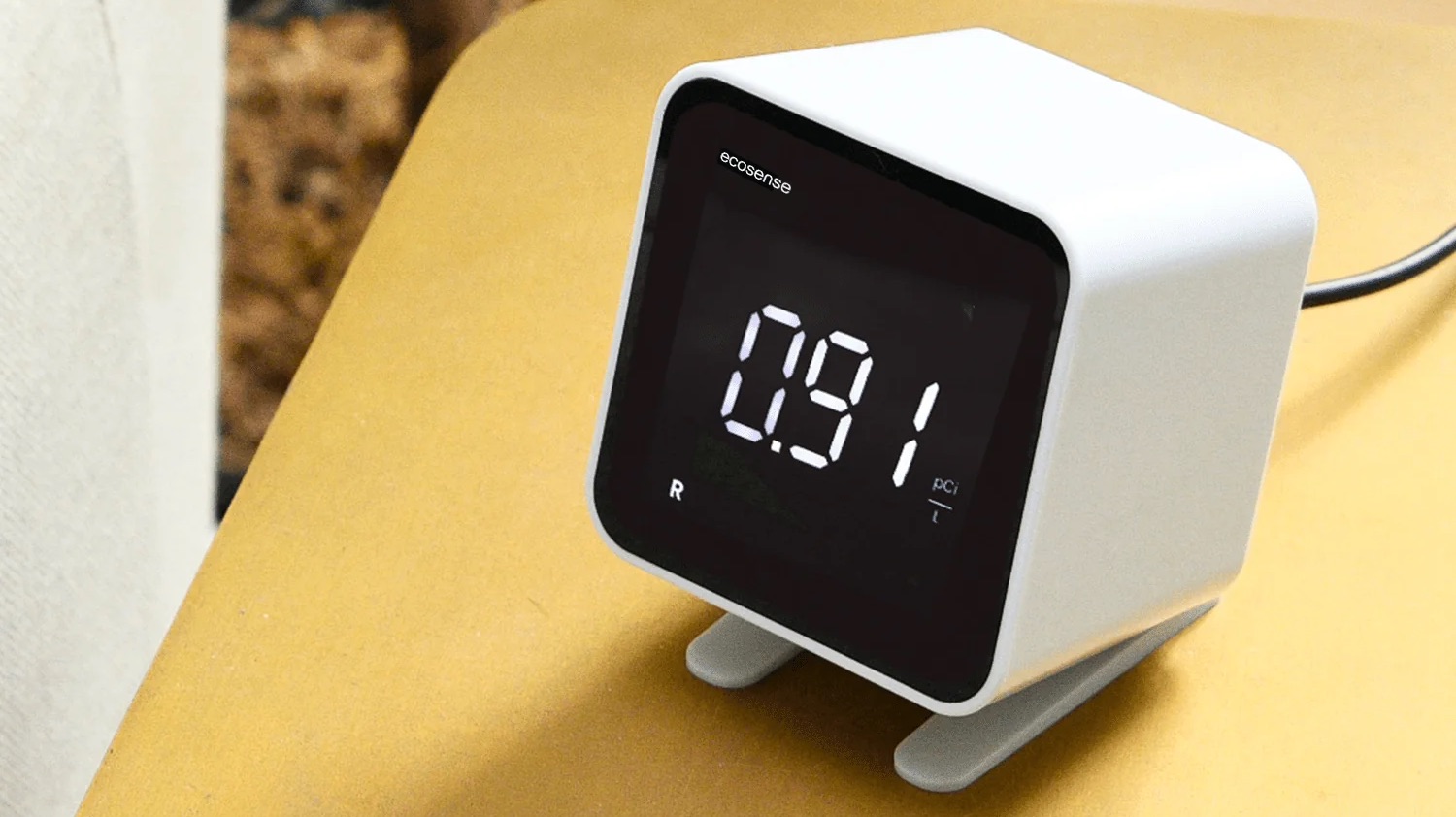
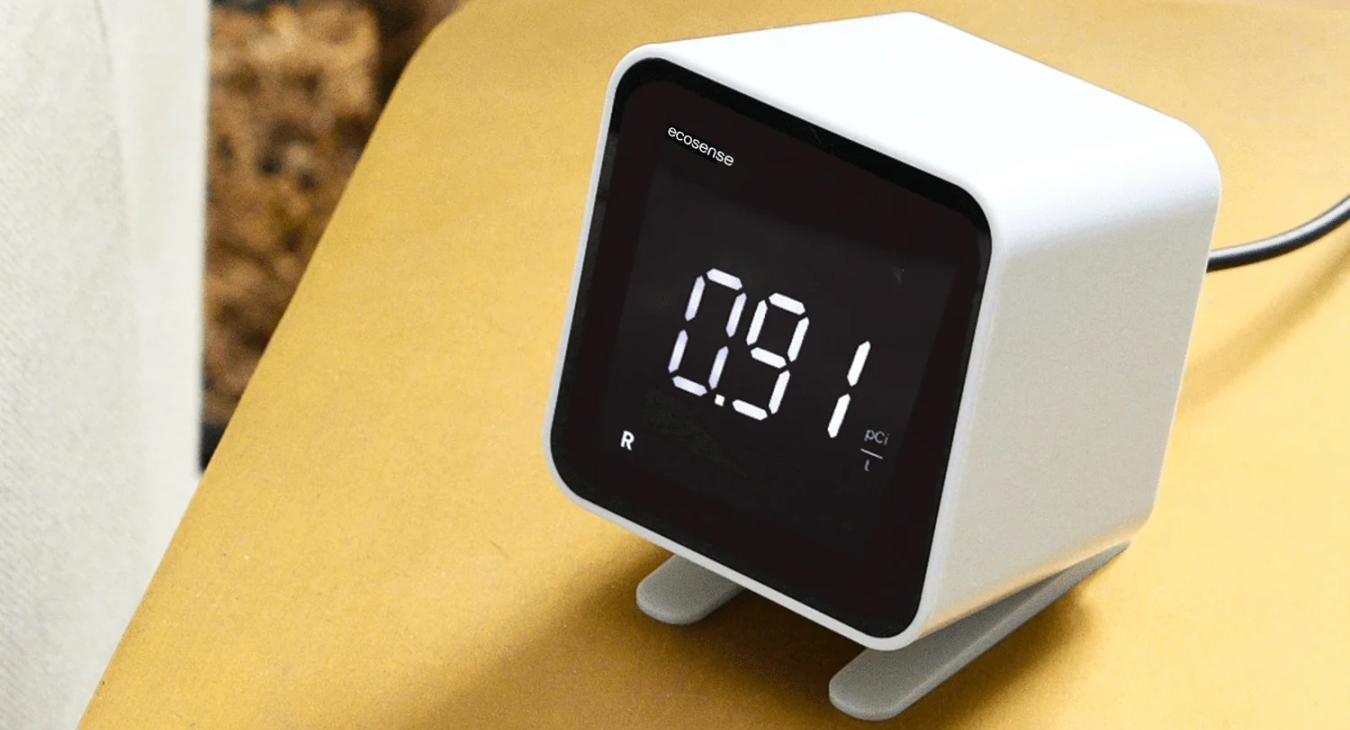
Beginning in October 2026, BDL patrons may borrow a digital monitor for up to two weeks to easily assess the presence of radon in their homes. BDL has added four EcoBlu digital radon monitors to its Library of Things collection, available for immediate checkout.
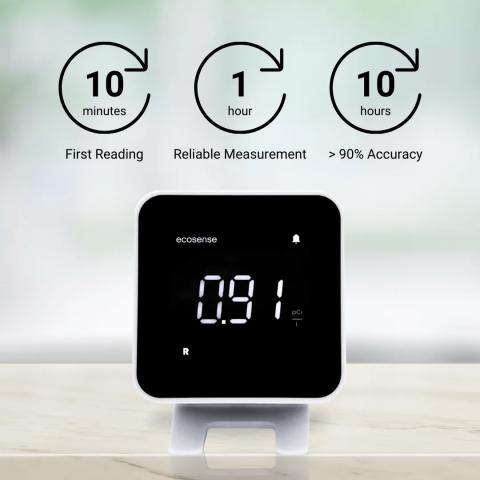 Installation involves simply positioning the device as directed, connecting the power supply, and optionally resetting the unit. Initial readings are generated within minutes, with greater accuracy achieved after several hours. Because radon levels fluctuate naturally, optimal results are obtained by conducting multiple tests throughout the year.
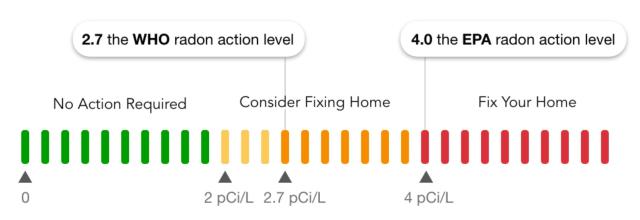
If readings exceed 4 pCi/L (picocuries per liter), consult a radon professional for evaluation and consider installing a mitigation system as needed.
To test your home, check out one of our radon kits today!